Smartglasses Filming: What Bystanders Can Do
Camera-equipped glasses are becoming harder to distinguish from ordinary eyewear, intensifying concerns about covert recording, consent and social-media harassment.
The short version
What you need to know
- The Guardian reported examples of people being photographed or filmed without realising that camera-equipped glasses were recording.
- The same report cited early University of Sydney research into 350 public Instagram videos, including a subset in which researchers classified about 60% of interactions as potential harassment.
- A VPN cannot detect, blur or delete footage captured by somebody else's glasses; the useful responses are situational awareness, a clear objection, platform reporting and preserving evidence when abuse occurs.
What happened?
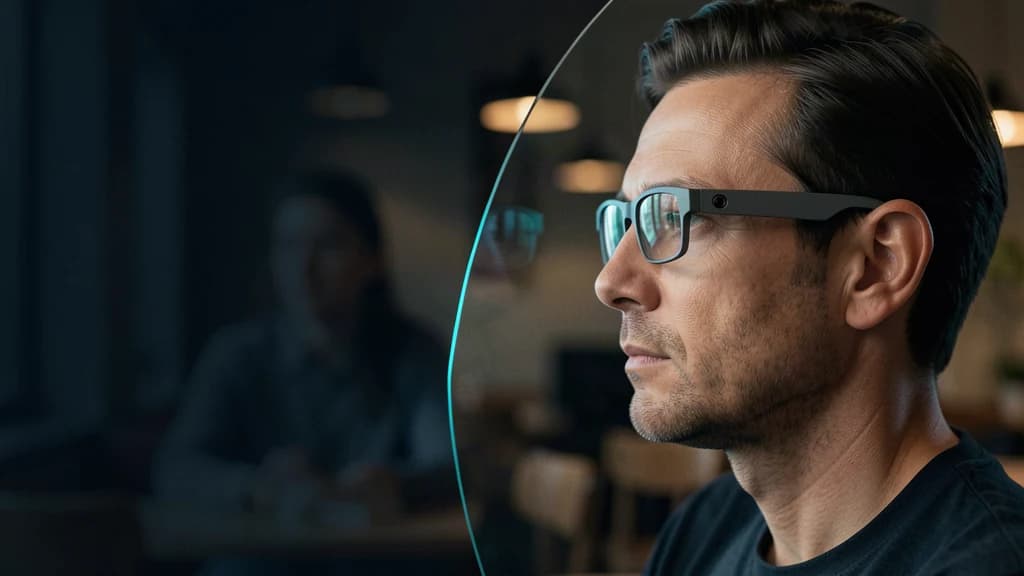
Camera-equipped smartglasses are moving closer to the appearance of ordinary eyewear. The Guardian reported on 8 August that this is creating a consent problem for bystanders who may not notice a recording indicator or understand that a nearby person's glasses contain a camera and microphone.
The report included the account of a Melbourne man who received a photo of himself through a dating app moments after leaving a cafe. It also cited early University of Sydney analysis of 350 publicly available Instagram videos recorded with smartglasses between 2023 and 2026. In a subset of those videos, the researchers classified about 60% of interactions as potential harassment and said some subjects appeared uneasy or tried to disengage. These are research classifications, not proof that every smartglasses user or recording is abusive.
The Guardian also reported that Meta updated its glasses so the camera is disabled if the recording LED is interfered with. That is a useful anti-tampering safeguard, but it does not guarantee that every bystander will notice the light, understand what it means or consent to the recording.
Why it matters for bystanders
A phone normally gives bystanders a visible clue when someone raises it to take a picture. Glasses can keep the camera aligned with the wearer's view while looking much less conspicuous. That can make meaningful notice and consent harder, particularly in cafes, gyms, workplaces, schools, medical settings and other spaces where context is sensitive.
Smartglasses can also be useful assistive technology. The Guardian described how blind and low-vision users rely on hands-free visual descriptions to read menus, recognise signs and navigate unfamiliar places. The privacy question is therefore not whether every device should be treated as malicious, but whether recording is visible, proportionate and respectful—and whether platforms act quickly when footage becomes harassment.
What you can do now
If you think somebody is recording you, move away if it is safe, state clearly that you do not consent, and ask the venue or organiser to apply its camera policy. Do not grab the device or escalate a confrontation. If footage appears online, save the post URL, username, date and screenshots before using the platform's privacy, harassment or image-reporting process.
For serious threats, stalking, sexualised content or recordings involving children, keep the evidence and contact the appropriate police, safeguarding body or online-safety regulator. Laws differ by country and by setting, so avoid assuming that recording in a public place is always either legal or illegal. Device owners should not cover, obscure or tamper with the recording indicator, should ask permission when practical and should avoid uploading identifiable bystanders without a clear reason.
Where a VPN helps — and where it does not
A reputable VPN can protect your own internet traffic on an untrusted network and reduce routine IP-address exposure when you browse or upload files. If you own smartglasses, a VPN on the paired phone may protect network traffic in transit when the app actually uses that tunnel.
A VPN cannot stop another person's camera from recording your face or voice. It cannot make a recording indicator easier to see, enforce consent, remove an uploaded video or prevent facial recognition from analysing imagery that has already been captured. Those risks require device safeguards, venue rules, platform moderation and privacy law—not a different IP address.
VPN Rocks view
Smartglasses compress recording, uploading and AI analysis into an everyday object. That convenience makes strong social and technical guardrails more important, not less, because a bystander may have no practical way to inspect the device or its settings.
Users should be able to benefit from assistive features without normalising covert content collection. Clear indicators, tamper resistance, bystander-respecting defaults and fast reporting tools are a better response than pretending a network privacy tool can solve a camera-consent problem.
Primary reading
Sources and further reading
We add plain-English context and practical advice. These links let you inspect the underlying reporting, research and official guidance directly.