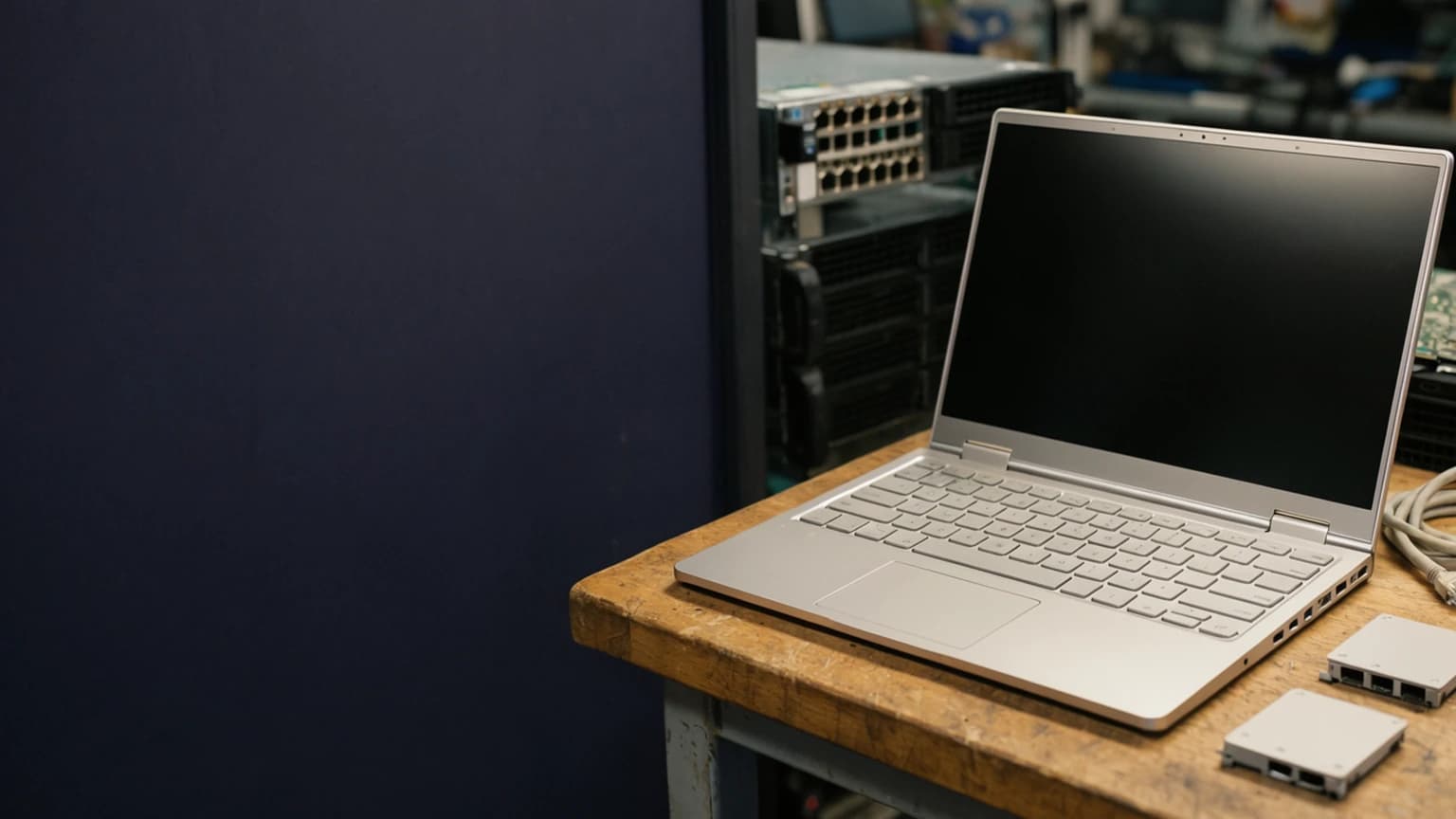
Framework Laptop Breach: Customer Data Accessed via Metabase
Framework says customer contact and address details were accessed after attackers exploited its Metabase business-intelligence service; TechCrunch reported that payment information was not included.
The short version
What you need to know
- TechCrunch reported that the accessed customer data included names, email addresses, phone numbers and physical addresses.
- TechCrunch reported that payment information was not included; Metabase's advisory says the vulnerability could expose data available through connected databases.
- A VPN cannot recover exposed account records or stop targeted phishing, so customers should verify unexpected Framework, delivery or payment messages through the official site.
What happened?
Framework notified customers after its cloud business-intelligence provider, Metabase, detected exploitation of a previously unknown vulnerability. TechCrunch reported on 7 August that a Framework spokesperson said the incident affected all customers, although the company did not publish a customer count.
TechCrunch reported that the accessed data included customers' names, email addresses, phone numbers and physical addresses, but not payment information. Metabase's technical advisory describes a critical unauthenticated SQL-injection flaw that could provide administrator access to an affected Metabase instance and data available through its connected databases.
Why it matters for customers
Contact and address data can make phishing much more convincing even when passwords and card numbers are not part of a breach. A scammer may be able to mention a real name, city, phone number or computer brand while pretending to discuss an order, delivery, warranty, refund or account problem.
Physical addresses can also increase the credibility and potential impact of location-specific scams. The public reporting confirms unauthorised access, but it is safer to say the information was accessed rather than claim that every available record was downloaded or publicly leaked.
What you can do now
If you are a Framework customer, read the notice through a trusted route and be cautious with unexpected delivery, refund, payment or support messages. Navigate to frame.work yourself instead of following a link in an email or text, and never provide a password, one-time code or card number to an unsolicited caller.
TechCrunch reported that payment information was not included in the stolen data. Even so, change any reused passwords elsewhere, enable multi-factor authentication on your email and important accounts, review sessions for unusual activity, and save suspicious messages if targeted scams appear.
Where a VPN helps — and where it does not
A reputable VPN can reduce local-network snooping and hide a home IP from many websites during ordinary browsing. It may also limit how often a service records a directly identifying residential IP in the first place.
A VPN cannot remove customer data already stored in a retailer's analytics database, patch a cloud provider's vulnerability, recover accessed records or detect every phishing message. This incident is mainly about vendor security, data minimisation, credential rotation, monitoring and careful breach communication.
VPN Rocks view
The report that payment information was not included narrows the immediate financial risk, but the exposed contact and address details are still useful raw material for social engineering. Customers should respond with verification habits rather than assume either that nothing happened or that every account is compromised.
For businesses, the broader lesson is to minimise which customer fields an analytics platform can query. A third-party dashboard should not retain broad production-data access merely because it is convenient.
Primary reading
Sources and further reading
We add plain-English context and practical advice. These links let you inspect the underlying reporting, research and official guidance directly.